Introduction
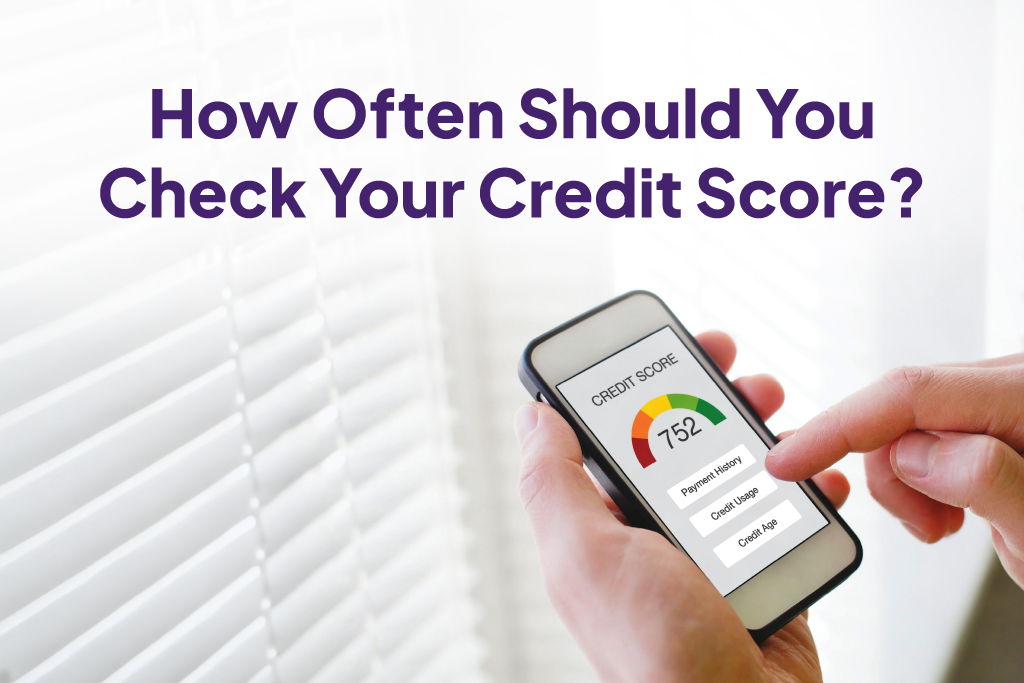
Most people check their bank balance frequently, but how often do you check your credit score?
Your credit score plays a major role in loan approvals, interest rates, and even financial opportunities. Yet many individuals only check it when applying for a loan, which can be a costly mistake.
If you’re planning to improve credit score before applying for a personal loan, regular monitoring becomes even more important.
So, how often should you check your credit score? Let’s break it down in simple terms.
What Is a Credit Score?
A credit score is a three-digit number that reflects your creditworthiness. It shows lenders how responsibly you manage borrowed money.
In India, credit scores usually range between 300 and 900:
- 750 and above – Excellent
- 700–749 – Good
- 650–699 – Fair
- Below 650 – Needs improvement
Your score is calculated based on:
- Repayment history
- Credit utilisation
- Length of credit history
- Types of credit used
- Recent loan enquiries
Understanding what a credit score is helps you realise why regular monitoring matters.
Why Checking Your Credit Score Matters
Many people assume their credit score remains constant unless they take a loan. That’s not true. It changes based on your financial behaviour.
Here’s why you should check your credit score regularly:
1. Catch Errors Early
Credit reports can sometimes contain incorrect information. Mistakes can lower your score unfairly.
2. Detect Fraud
If someone has taken a loan in your name, checking your score helps you spot unusual activity.
3. Prepare for Loan Applications
If you plan to apply for a personal loan, home loan, or credit card, knowing your score helps you negotiate better interest rates.
4. Track Financial Progress
Improving your repayment habits should reflect in your score. Regular monitoring shows whether your efforts are working.
A free credit score check can give you clarity and peace of mind.
How Often Should You Check Your Credit Score?
There is no one-size-fits-all answer, but here are general recommendations:
✔ At Least Once Every 3 Months
For most individuals, checking your credit score quarterly is ideal. It helps you stay updated without overthinking small fluctuations.
✔ Before Applying for Any Loan
Always check your credit score before applying for a loan or credit card. This improves your approval chances.
✔ Monthly If You’re Actively Improving It
If you’re working on rebuilding your credit or recovering from a low score, monthly tracking helps measure progress.
✔ Immediately After Clearing a Loan
Once you close a loan or credit card, verify that it reflects correctly in your report.
Checking your own credit score does not negatively impact it, so don’t hesitate to monitor it regularly.
Life Events That Should Trigger a Check
Certain life events make it essential to check your credit score:
- Applying for a home loan or car loan
- Starting a business
- Planning a major purchase
- After missing an EMI
- After identity theft concerns
- Closing a credit card
- Switching jobs if salary affects loan eligibility
Major financial transitions should always be accompanied by a credit score review.
How Often Credit Reports Update
Your credit report does not update daily. In India:
- Banks and lenders typically report data monthly
- Updates may take 30–45 days to reflect
- Loan closures can take one billing cycle
So if you recently paid off a loan, don’t panic if your score does not change immediately.
Patience is key when monitoring credit improvements.
Tools and Ways to Check Your Credit Score
You can check your credit score through:
1. Credit Bureaus
Official bureaus provide a free credit score check once a year.
2. Banking Apps
Many banks now offer credit score tracking as part of their services.
3. Digital Financial Platforms
Some fintech apps allow easy and regular credit score monitoring without impacting your score.
When choosing a platform, ensure:
- It is RBI-compliant
- It offers secure access
- It provides detailed credit report insights
Regular monitoring should be simple and accessible.
Common Myths About Checking Credit Scores
Let’s clear up some confusion:
| Myth | Fact |
| Checking your credit score lowers it | Only lender enquiries affect your score, not self-checks |
| You only need to check before a loan | Regular monitoring prevents surprises |
| Credit score changes daily | Updates typically happen monthly |
| A good income guarantees a good score | Repayment behaviour matters more than income |
| One missed EMI won’t impact score | Even one missed payment can reduce your score |
Understanding these myths helps you manage your credit responsibly.
Conclusion
Your credit score is not just a number, it’s a reflection of your financial discipline and borrowing behaviour. Checking it regularly empowers you to:
- Prevent errors
- Detect fraud
- Improve loan approval chances
- Maintain financial stability
A smart habit is to check your credit score every three months, and more frequently if you’re preparing for a major financial decision.
Financial awareness begins with small, consistent steps, and monitoring your credit score is one of them.
FAQs
1. How often can I check my credit score for free?
You are entitled to at least one free credit report per year from credit bureaus, and some platforms offer regular free access.
2. Does checking your credit score reduce it?
No. A self-check or soft enquiry does not impact your credit score.
3. What is a good credit score in India?
Generally, 750 and above is considered a good credit score.
4. How long does it take to improve a credit score?
Improvements can take 3–6 months depending on repayment behaviour.
5. Should I check my credit score before applying for a personal loan?
Yes. It helps you assess approval chances and negotiate better interest rates.
| Instant Loans by Amount | |||
|---|---|---|---|
| ₹1500 Instant Loan | ₹2500 Instant Loan | ₹5000 Instant Loan | ₹10000 Instant Loan |
| ₹12500 Instant Loan | ₹15000 Instant Loan | ₹17500 Instant Loan | ₹20000 Instant Loan |