Understanding eNACH
In today’s digital-first financial world, convenience and reliability are no longer optional, they are expected. Whether it’s loan EMIs, SIP investments, or insurance premiums, timely payments play a crucial role in maintaining financial discipline.
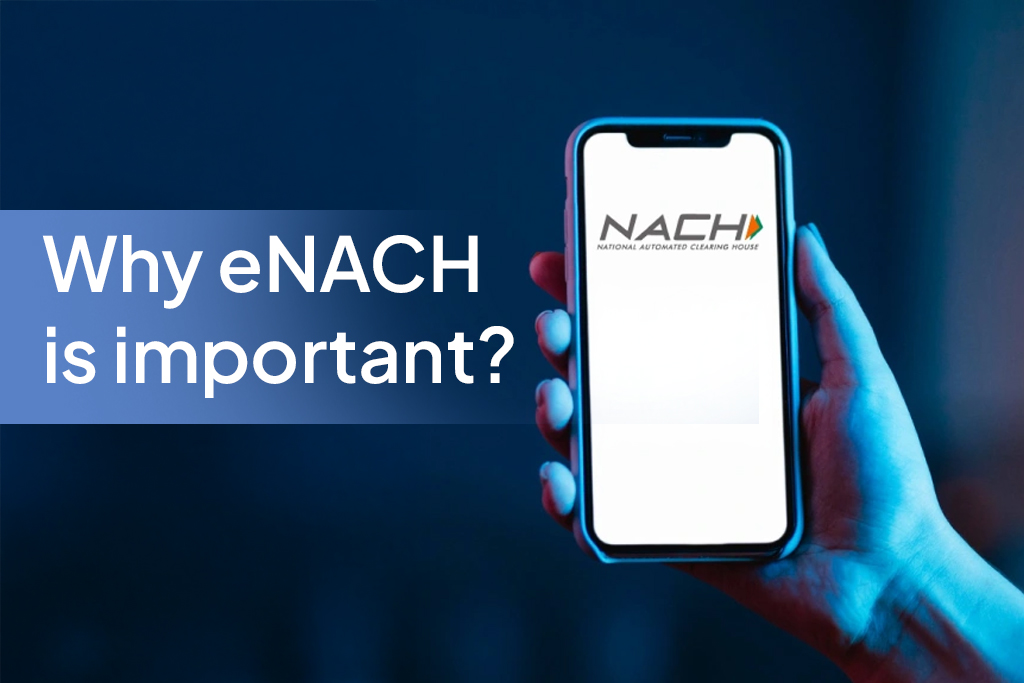
This is where eNACH comes in. If you’ve ever wondered why eNACH is important and how it simplifies recurring payments, this guide breaks it down in a clear, beginner-friendly way.
What is eNACH?
eNACH (Electronic National Automated Clearing House) is an electronic mandate system introduced to automate recurring bank account debits securely and efficiently.
It allows individuals to authorise automatic deductions from their bank accounts for recurring payments such as:
- Loan EMIs
- SIP investments (you can automate your SIP with a SIP calculator to plan contributions efficiently)
- Subscription services
- Insurance premiums
Once approved, payments are deducted automatically on the due date without manual intervention.
How eNACH Works (Step-by-Step)
Understanding how eNACH works is simple:
- Mandate Creation
The user authorises an eNACH mandate digitally via net banking or OTP-based verification. - Bank Verification
The bank verifies account details and consent. - Mandate Registration
Once approved, the mandate is registered with the clearing system. - Automatic Deductions
Payments are auto-debited on scheduled dates. - Transaction Alerts
Users receive notifications for every successful or failed transaction.
This end-to-end digital flow ensures faster setup and fewer errors compared to older systems.
Why eNACH Is Important
The importance of eNACH lies in how it improves payment reliability and financial discipline.
1. Eliminates Missed Payments
Auto-debits ensure EMIs and bills are paid on time, avoiding penalties or late fees.
2. Builds Financial Discipline
Regular, automated payments encourage responsible money management.
3. Reduces Manual Effort
No need to remember due dates or make payments every month.
4. Faster & Paperless Setup
Unlike physical mandates, eNACH is completely digital and quick to activate.
5. Higher Success Rates
Compared to older ECS systems, eNACH offers better processing reliability.
These benefits of eNACH make it an essential tool in modern personal finance.
Importance of eNACH in Loans & EMIs
For loans, eNACH plays a particularly critical role:
- Ensures on-time EMI payments
- Protects your credit score from accidental defaults
- Simplifies loan repayment tracking
- Reduces stress for both lenders and borrowers
- Enables quicker loan approvals (as repayment assurance improves trust)
Many lenders now prefer eNACH mandates as a standard requirement during loan onboarding.
Who Should Use eNACH?
eNACH is ideal for:
✔ Salaried individuals with fixed monthly EMIs
✔ Investors running SIPs
✔ Borrowers managing personal or instant loans
✔ Insurance policyholders
✔ Anyone with recurring financial commitments
If you value consistency, automation, and peace of mind, eNACH is worth using.
Common Concerns About eNACH
Despite its advantages, users often have concerns. Let’s address a few:
Is eNACH safe?
Yes. eNACH uses bank-level encryption and authentication, making it secure.
Can I cancel an eNACH mandate?
Yes. Mandates can be paused, modified, or cancelled through the bank or service provider.
Will money be deducted without my consent?
No. Every eNACH mandate requires explicit user authorisation.
What happens if there’s insufficient balance?
The transaction fails, and you are notified, similar to any other auto-debit system.
How FatakPay Uses eNACH for a Better Loan Experience
FatakPay integrates eNACH to make borrowing smoother and stress-free.
With eNACH on FatakPay:
- Loan EMIs are auto-debited on time
- Users avoid late payment penalties
- Credit health improves through disciplined repayment
- Loan journeys become faster and more reliable
By simplifying repayments, FatakPay ensures users focus on financial progress rather than payment reminders.
FAQs
1. Why is eNACH important for loans?
It ensures timely EMI payments, protects credit scores, and reduces repayment stress.
2. How is eNACH different from ECS?
eNACH is faster, digital, and more reliable, while ECS is an older, slower system.
3. Can I stop an eNACH mandate anytime?
Yes, mandates can be cancelled or modified with proper notice.
4. Is eNACH mandatory for loans?
Many lenders prefer it, but requirements may vary.
5. Does eNACH affect my bank balance unexpectedly?
No. Deductions only happen as per the authorised mandate.
Conclusion
In an age of automation, eNACH is more than just a payment tool, it’s a foundation for responsible financial behaviour. By ensuring timely payments, reducing stress, and improving reliability, it plays a vital role in modern lending and investment journeys.
If you’re managing loans, EMIs, SIPs, or recurring investments, embracing eNACH can make your financial life significantly smoother. You can also invest regularly in digital gold using auto-debits to build wealth gradually and stay disciplined with your investment goals.
To better understand related payment systems and loan requirements, explore these helpful guides:
- What is ECS mandate – Learn how ECS mandates work and how they differ from eNACH for recurring payments.
- KYC personal loan – Understand why KYC is important when applying for a personal loan online and how it impacts approval.
| Personal Loans by City | ||||
|---|---|---|---|---|
| Personal Loan Bengaluru | Personal Loan Thane | Personal Loan Mumbai | Personal Loan Hyderabad | |
| Personal Loan Pune | Personal Loan Surat | Personal Loan Coimbatore | Personal Loan Delhi | |
| Personal Loans by Amount | ₹60,000 Personal Loan | ₹3 Lakh Personal Loan | ₹5 Lakh Personal Loan |
|---|