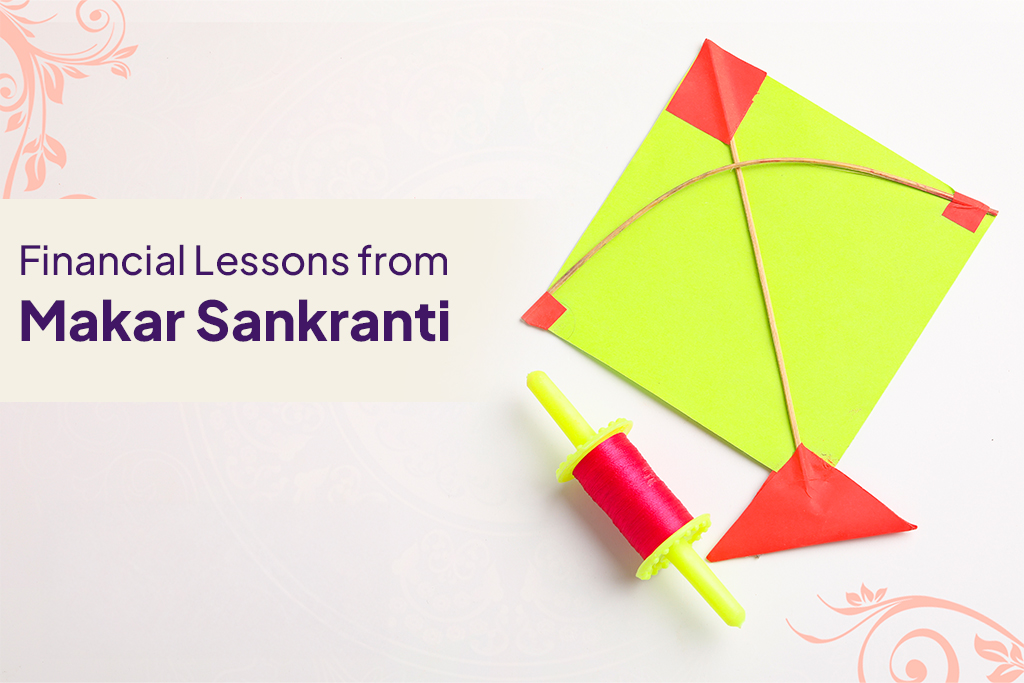
Makar Sankranti marks a powerful transition, the sun’s movement into Capricorn and the beginning of longer, brighter days. Across India, the festival is celebrated with kites, harvest rituals, and a renewed sense of optimism. Beyond its cultural significance, Makar Sankranti also offers timeless wisdom that applies beautifully to personal finance.
From setting direction to staying prepared for sudden changes, there are many financial lessons from Makar Sankranti that can guide smarter money decisions all year round.
The Symbolism of Makar Sankranti
At its core, Makar Sankranti symbolises:
- Transition and new beginnings
- Moving towards positivity and growth
- Discipline, patience, and balance
Just as farmers prepare for a new harvest season and kite flyers look to the skies, individuals can use this moment to reset their financial mindset and habits.
Financial Lesson 1: Start with a Clear Goal (Like Planning Your Kite Flight)
Once you’ve set clear financial goals, you can plan long-term savings with a SIP calculator to see how small, regular investments grow over time and help you achieve your targets efficiently.
Similarly, financial planning begins with clear goals:
- Saving for emergencies
- Managing expenses
- Planning investments
- Preparing for major life events
Defined goals give purpose to your income and help you prioritise spending wisely.
Financial Lesson 2: Build a Strong Foundation (Good Kite, Good Thread)
A kite can only soar if both the kite and the thread are strong. Weak material leads to an early fall.
A strong financial foundation can also include safe wealth-building options. You can start investing in digital gold for small, flexible investments that protect against inflation while keeping your funds accessible.
In finances, a strong foundation includes:
- Stable income planning
- Emergency savings
- Basic insurance coverage
- Responsible borrowing habits
Without these basics, even high earnings may not translate into long-term stability.
Financial Lesson 3: Adapt to Winds (Market & Income Changes)
Every kite flyer knows that wind conditions change unexpectedly. The key is adjusting, loosening or tightening the thread as needed.
When unexpected financial dips occur, consider how to take a smart personal loan for expenses responsibly. Temporary support, when planned well, ensures you stay on course without disrupting long-term savings.
Your finances also face changing winds:
- Income fluctuations
- Inflation
- Unexpected expenses
- Market volatility
Being flexible with budgets, expenses, and financial plans helps you stay in control despite uncertainty.
Financial Lesson 4: Keep Your Line Tight (Monitor Your Finances)
A slack thread means losing control of your kite. Regular attention keeps it flying smoothly.
Likewise, monitoring your finances is essential:
- Track expenses and EMIs
- Review savings and investments
- Check credit health periodically
Regular reviews prevent small issues from turning into long-term financial stress, a core principle of good money management tips.
Financial Lesson 5: Prepare for Dips (Plan for Downturns)
Even the best kite dips occasionally. Experienced flyers anticipate this and respond calmly.
Financial dips may come in the form of:
- Medical emergencies
- Job changes
- Temporary income gaps
Planning ahead through savings, contingency funds, or short-term financial support ensures you stay steady during downturns rather than panic.
Financial Lesson 6: Celebrate Milestones (Like Winning a Kite Fight)
Makar Sankranti is also about joy and celebration. Winning a kite fight or seeing your kite soar brings a sense of achievement.
In finance, celebrating milestones matters too:
- Clearing a loan
- Building an emergency fund
- Improving your credit profile
- Achieving a savings goal
Recognising progress keeps you motivated and committed to long-term financial discipline.
How Financial Tools Help You Stay on Course
Just as the right tools improve kite flying, modern financial tools make money management simpler.
Smart financial tools help with:
- Planning expenses and repayments
- Managing short-term financial needs responsibly
- Supporting personal goals without disrupting long-term savings
Used wisely, services like personal loan planning tools can act as temporary support while keeping overall finances balanced and structured.
FAQs
1. What financial lessons can we learn from Makar Sankranti?
The festival teaches goal setting, discipline, adaptability, preparation, and celebrating progress.
2. Why is Makar Sankranti linked to financial planning?
It symbolises transition and growth, ideal moments to reset financial habits and goals.
3. How can financial tools support better money management?
They help plan expenses, manage cash flow, and handle short-term needs responsibly.
4. Is borrowing always bad for finances?
No. When used thoughtfully and planned well, borrowing can support financial stability.
5. When should I review my finances?
Festive transitions like Makar Sankranti are a great time to reassess budgets and goals.
Conclusion
Makar Sankranti teaches us that lasting progress comes from thoughtful preparation, balance, and the ability to adapt to change. Just as a kite stays in the sky with the right direction and steady control, your finances thrive with careful planning, regular monitoring, and informed decisions.
By applying these financial lessons from Makar Sankranti, you can build stability, encourage consistent growth, and gain long-term financial confidence, not just during festive moments but throughout the year. Take this opportunity to review your financial goals and explore smart financial tools with Fatakpay to stay on track and make every decision count.
| Personal Loans by City | ||||
|---|---|---|---|---|
| Personal Loan Bengaluru | Personal Loan Thane | Personal Loan Mumbai | Personal Loan Hyderabad | |
| Personal Loan Pune | Personal Loan Surat | Personal Loan Coimbatore | Personal Loan Delhi | |
| Personal Loans by Amount | ₹60,000 Personal Loan | ₹3 Lakh Personal Loan | ₹5 Lakh Personal Loan |
|---|