Introduction – Why Understanding CIBIL Score Calculation Matters
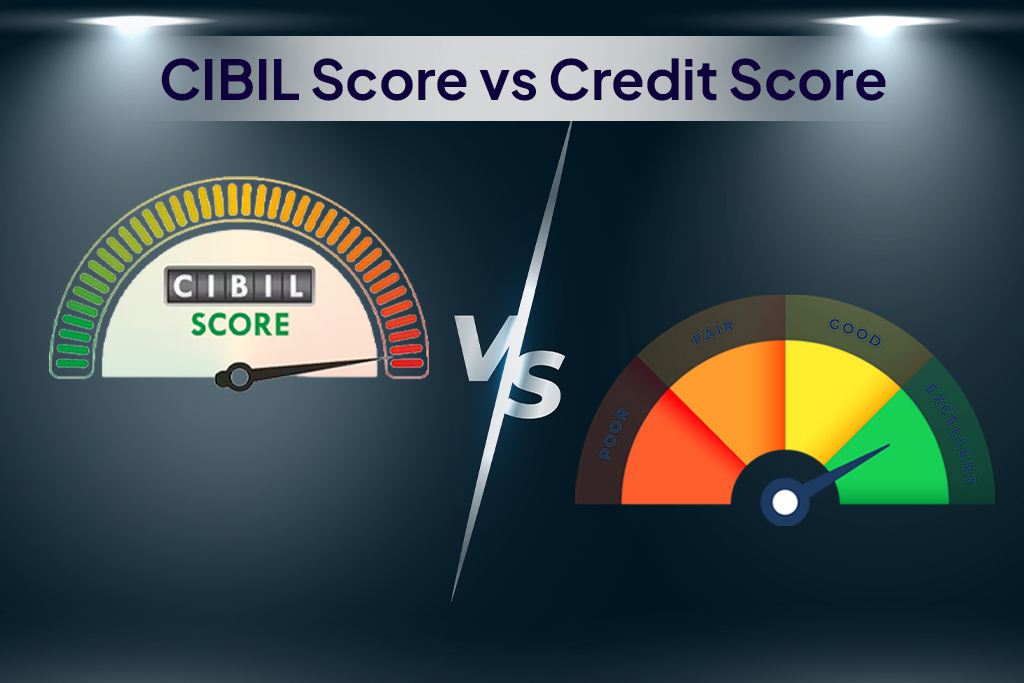
Your credit score plays a critical role in determining whether lenders approve your loan application. In India, one of the most widely used credit scores is the CIBIL score.
Understanding CIBIL score calculation helps you manage your financial behaviour better and improve your chances of loan approval. When you know how is CIBIL score calculated, you can take the right steps to maintain a healthy credit profile.
Whether you are planning to apply for a personal loan, credit card, or home loan, knowing how the score works is an important part of financial planning.
What Is a CIBIL Score?
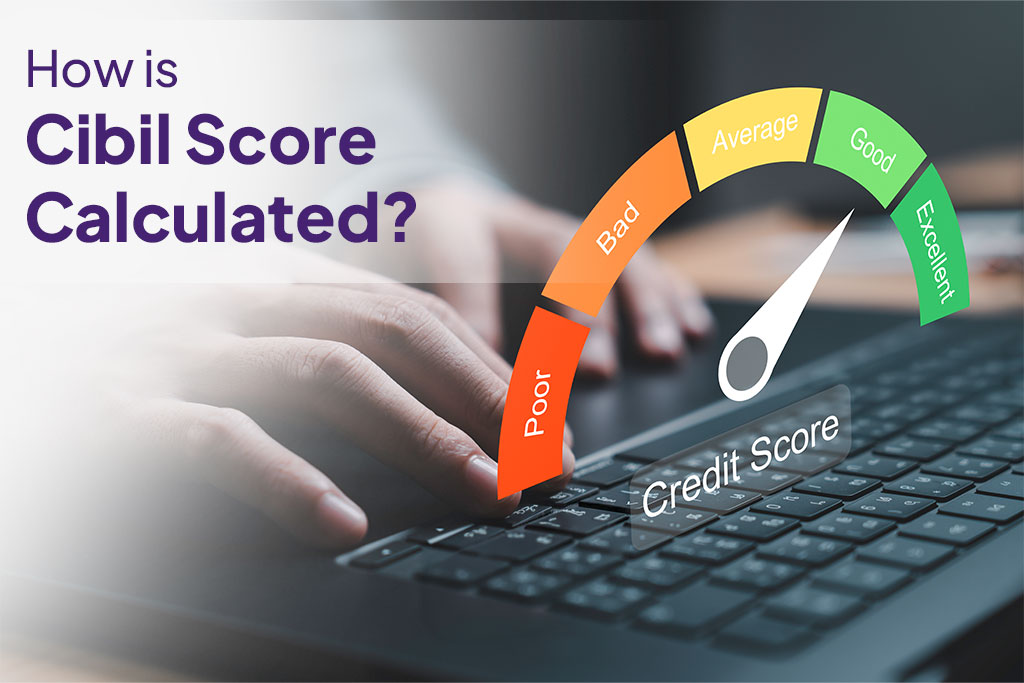
A CIBIL score is a three-digit number that represents your creditworthiness. It typically ranges between 300 and 900 and is generated by TransUnion CIBIL based on your credit history.
The score reflects how responsibly you manage credit.
CIBIL Score Range
| Score Range | Rating |
| 750 – 900 | Excellent |
| 700 – 749 | Good |
| 650 – 699 | Fair |
| 600 – 649 | Low |
| 300 – 599 | Poor |
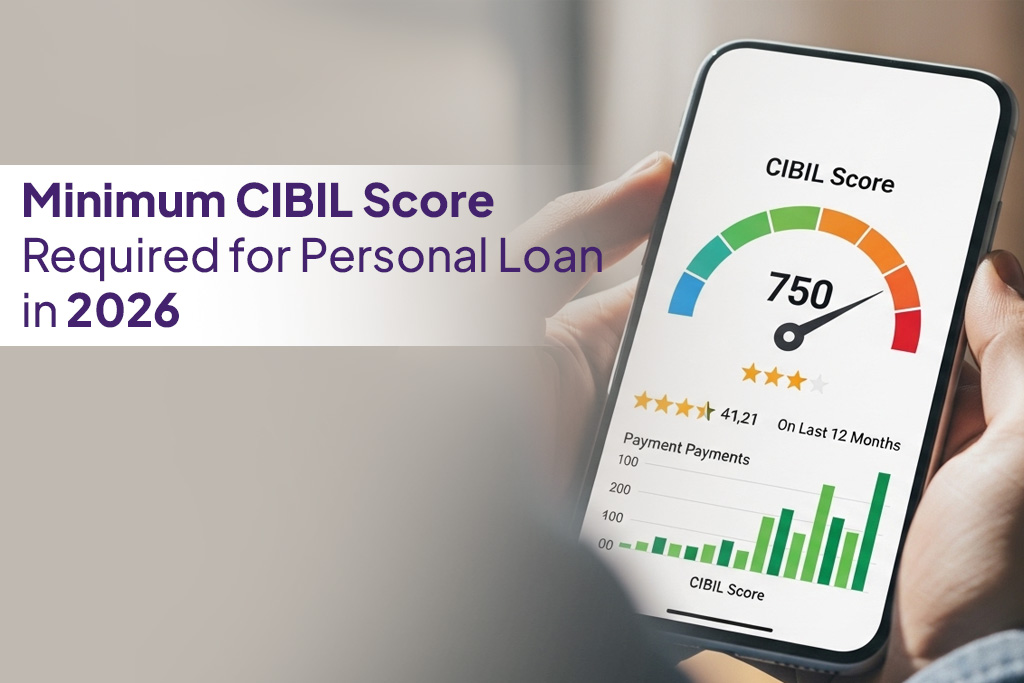
A score above 750 is generally considered ideal for faster loan approvals.
Understanding what is CIBIL score and how it works can help you maintain better financial discipline.
How Is CIBIL Score Calculated?
The CIBIL score calculation is based on several financial factors recorded in your credit report.
When lenders report your credit activity to the credit bureau, it forms your credit history. This information is analysed using a scoring model to determine your score.
The calculation takes into account:
- Your repayment behaviour
- Amount of credit used
- Length of credit history
- Types of credit accounts
- Number of credit enquiries
Together, these elements determine how is CIBIL score calculated.
Key Factors That Affect Your CIBIL Score
Several financial habits influence your credit score. These are known as the factors affecting CIBIL score.
1. Payment History
Paying EMIs and credit card bills on time is the most important factor.
Late payments or missed EMIs can significantly reduce your score.
2. Credit Utilisation Ratio
This refers to how much of your available credit limit you are using.
High utilisation indicates higher credit dependency and may reduce your score.
3. Length of Credit History
The longer your credit history, the more reliable your credit profile appears.
Maintaining older accounts helps strengthen your credit report.
4. Credit Mix
A balanced mix of secured loans (home, car) and unsecured loans (personal loans, credit cards) improves your credit profile.
5. Credit Enquiries
Multiple loan applications within a short period may negatively affect your score.
Each enquiry creates a hard check on your credit report.
These factors affecting CIBIL score play a major role in determining your overall credit health.
Weightage of Factors in CIBIL Score Calculation
Although the exact algorithm is confidential, approximate weightage is generally understood as follows.
| Factor | Approx Weightage |
| Payment History | 30–35% |
| Credit Utilisation | 20–25% |
| Credit Exposure | 20% |
| Credit Type & Duration | 10–15% |
| Other Factors | 5–10% |
Understanding these CIBIL score criteria helps borrowers improve their credit behaviour.
How Your Credit Report Influences Your CIBIL Score
Your credit report contains detailed records of your financial activity.
It includes:
- Active and closed loan accounts
- Credit card usage
- Repayment history
- Loan enquiries
- Outstanding balances
Any changes in these records can influence your score.
Monitoring your credit report regularly helps identify errors and track improvements in your credit profile.
Product like FatakUdaan from FatakPay help users stay informed about their credit health. With FatakUdaan, users can check their credit score, understand their credit behaviour, and take steps to improve their financial profile before applying for loans.
Regular monitoring helps maintain a strong credit profile.
Important Points to Remember About Your CIBIL Score
Here are a few key things to keep in mind regarding the importance of CIBIL score:
- A score above 750 improves loan approval chances
- Timely repayments are the biggest contributor to a good score
- Multiple loan applications may temporarily reduce your score
- Maintaining low credit utilisation helps improve credit health
- Regular monitoring helps detect errors early
Understanding the importance of CIBIL score allows you to manage credit responsibly and improve financial stability.
Conclusion
Understanding how is CIBIL score calculated is essential for building a strong financial future. Your credit score reflects your financial discipline and influences loan approvals, credit limits, and interest rates.
By maintaining timely repayments, controlling credit usage, and monitoring your credit report regularly, you can maintain a healthy credit profile.
Digital financial product such as FatakUdaan from FatakPay help users monitor their credit health, understand their credit behaviour, and take steps toward improving their financial profile.
Building good credit habits today can open better financial opportunities tomorrow.
FAQs
1. What is CIBIL score?
A CIBIL score is a three-digit number between 300 and 900 that represents your creditworthiness.
2. How is CIBIL score calculated?
It is calculated based on factors such as payment history, credit utilisation, credit history length, credit mix, and loan enquiries.
3. What affects CIBIL score the most?
Payment history has the biggest impact on your credit score.
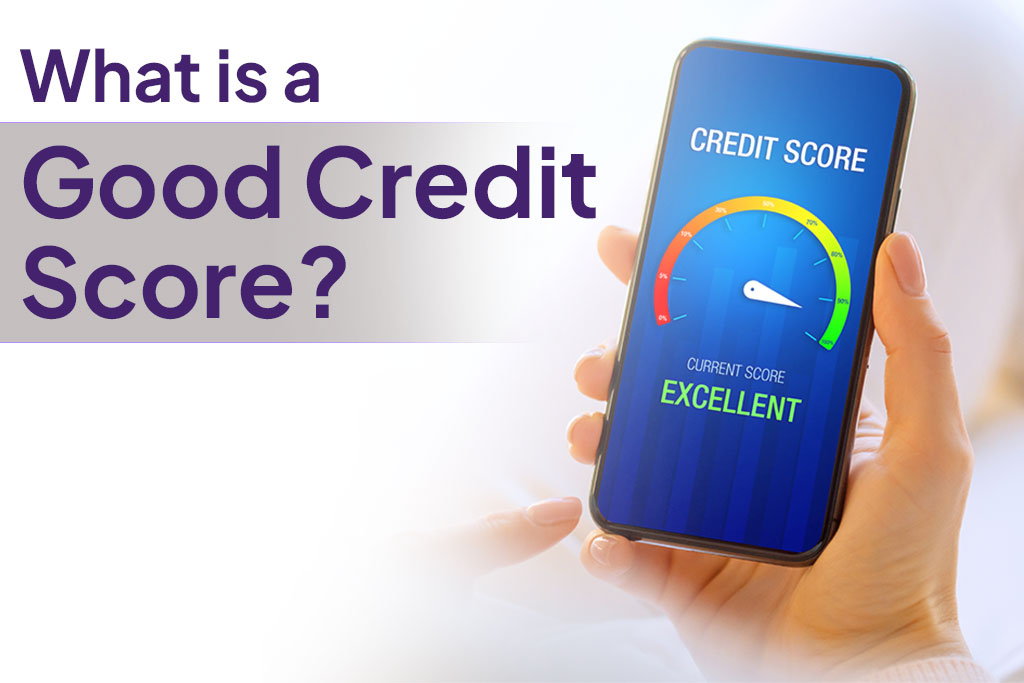
4. What is a good CIBIL score in India?
A score above 750 is generally considered good for loan approvals.
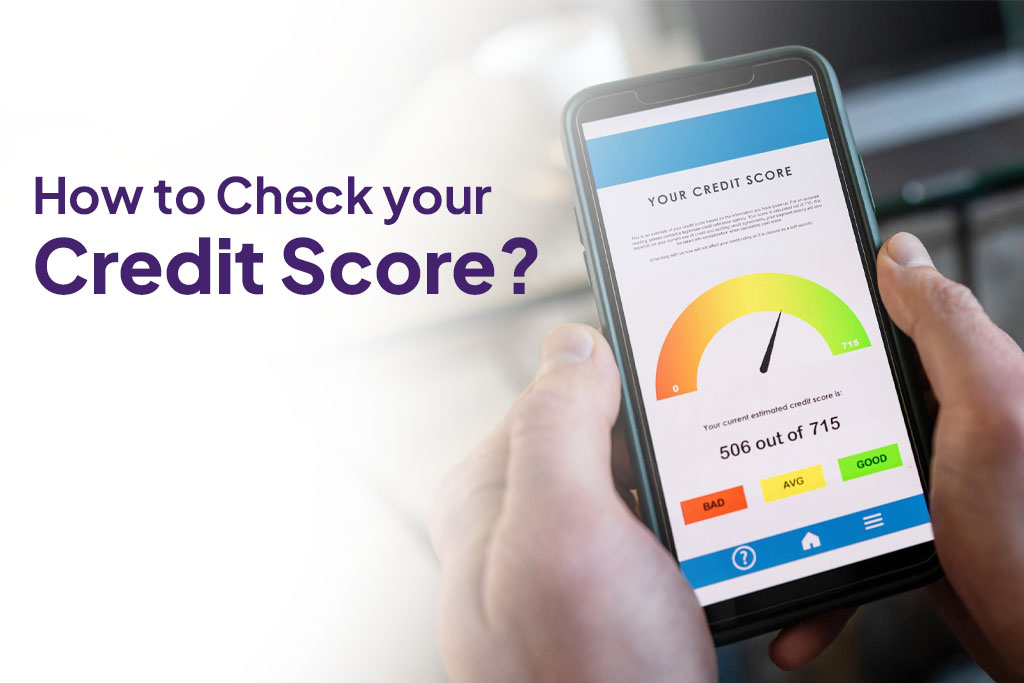
5. How can I check my CIBIL score?
You can check your score through credit bureau websites or digital platforms that offer credit monitoring services.
| Personal Loans by City | ||||
|---|---|---|---|---|
| Personal Loan Bengaluru | Personal Loan Thane | Personal Loan Mumbai | Personal Loan Hyderabad | |
| Personal Loan Pune | Personal Loan Surat | Personal Loan Coimbatore | Personal Loan Delhi | |
| Personal Loans by Amount | ₹60,000 Personal Loan | ₹3 Lakh Personal Loan | ₹5 Lakh Personal Loan |
|---|